Modern Day Rain Water Collection Methods
Modern Methods Of Collecting Rain Water to Save Fresh Water
Saving water is very important for the upcoming generation. Unfortunately, many countries are facing a scarcity of water. So to overcome the problem, many companies have started to donate to build rainwater harvesting systems for such areas. However, there is a lack of knowledge for collecting the rainwater as there is rain.
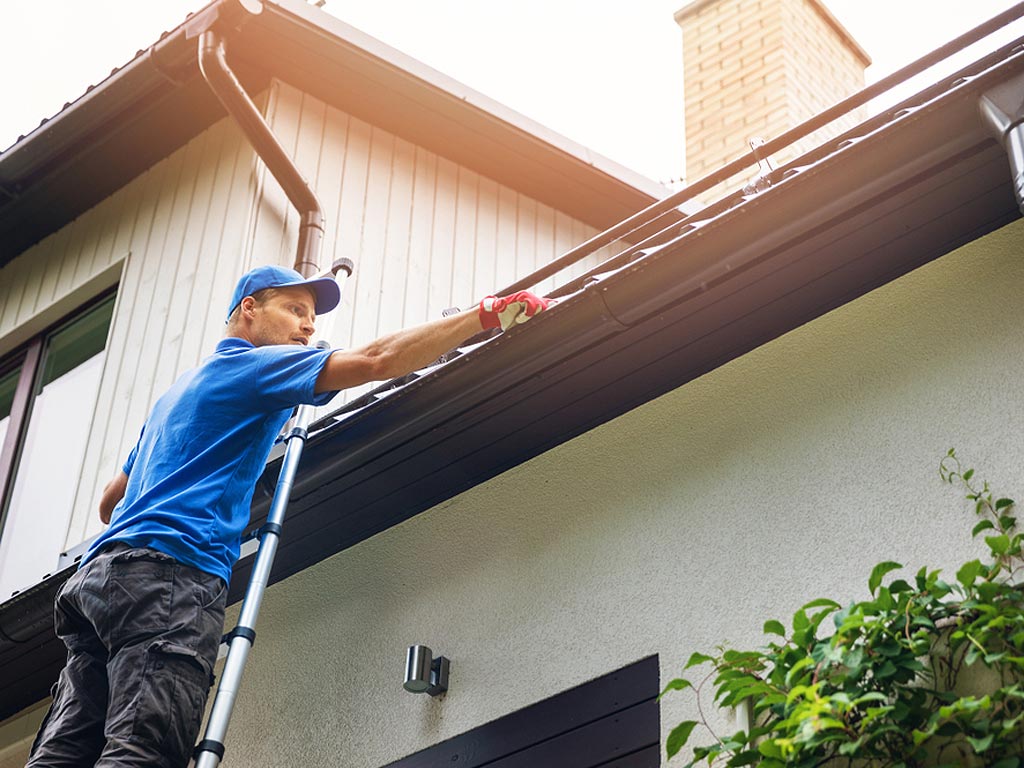
Rainwater harvesting is the best method to save water and provide them in areas with less water. Commonly there are two types of rainwater harvesting methods: surface run-off and Rooftop rainwater harvesting methods that have been mastered by most companies that offer gutter cleaning in Macon, GA.
Surface Run-off Rain Water Harvesting
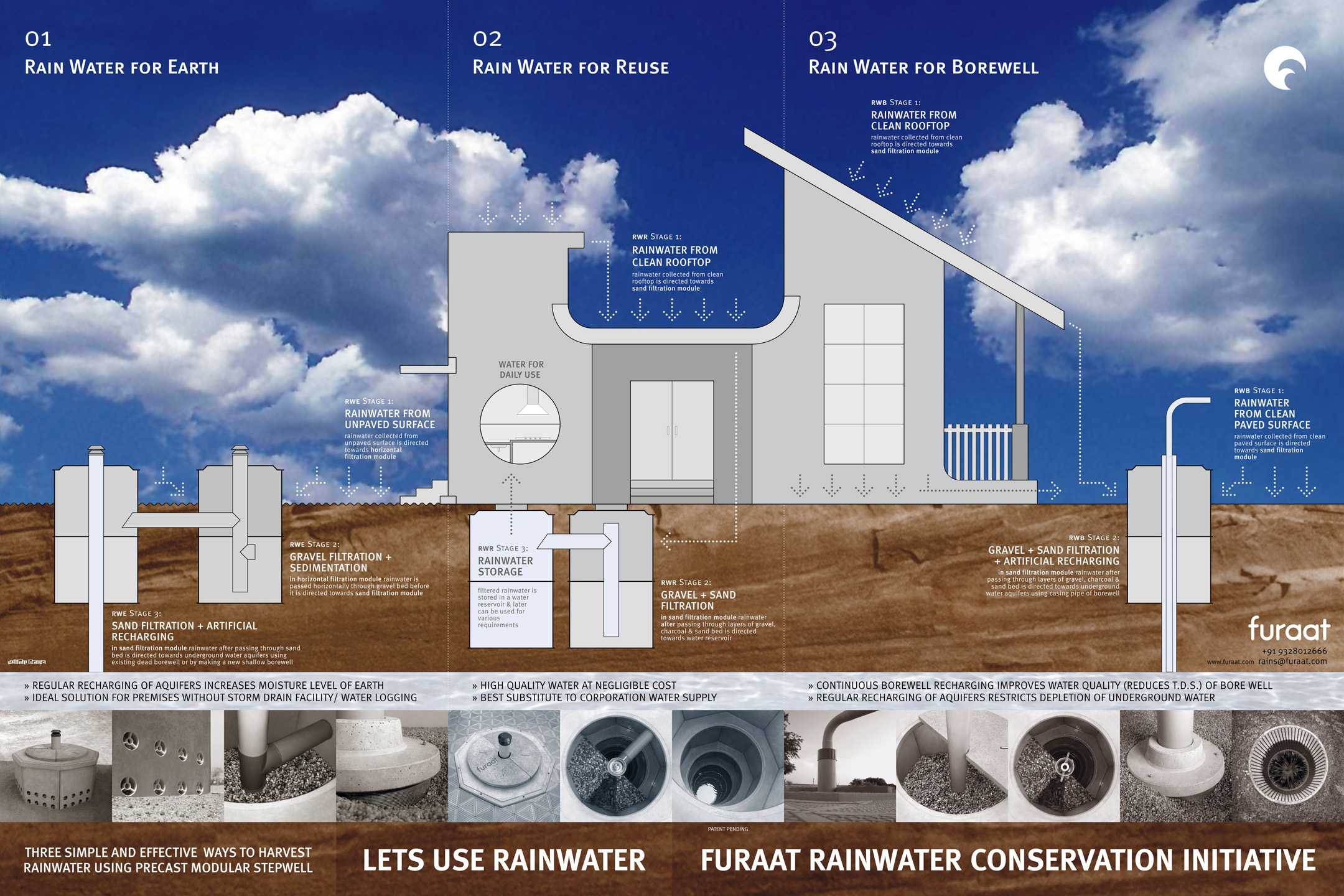
This technique method is commonly used in urban areas to harvest rainwater. Because in urban areas, the water flows on the surface and gets wasted, they use this method to store rainwater. In this method, water that flows on the land is collected in the tanks under the surface. The collected water is used for irrigation, domestic, and cleaning activities.
The collected rainwater is stored under the ground, which could lead to evaporation where the area is very hot. But the water in the surface run-off method is stored beneath the surface so the evaporation does not occur. This method is very easy to set up. Adopting this technology properly can earn a profit as it is cost-effective.
With this method, the demand and requirement of particular will be met accordingly as the main objective of the rainwater harvesting is to provide the water resource to the areas where there is no water. Adopting this method is also beneficial for reducing the risk of water pollution, soil erosion, and flood.
Roof Top Rainwater Harvesting Method
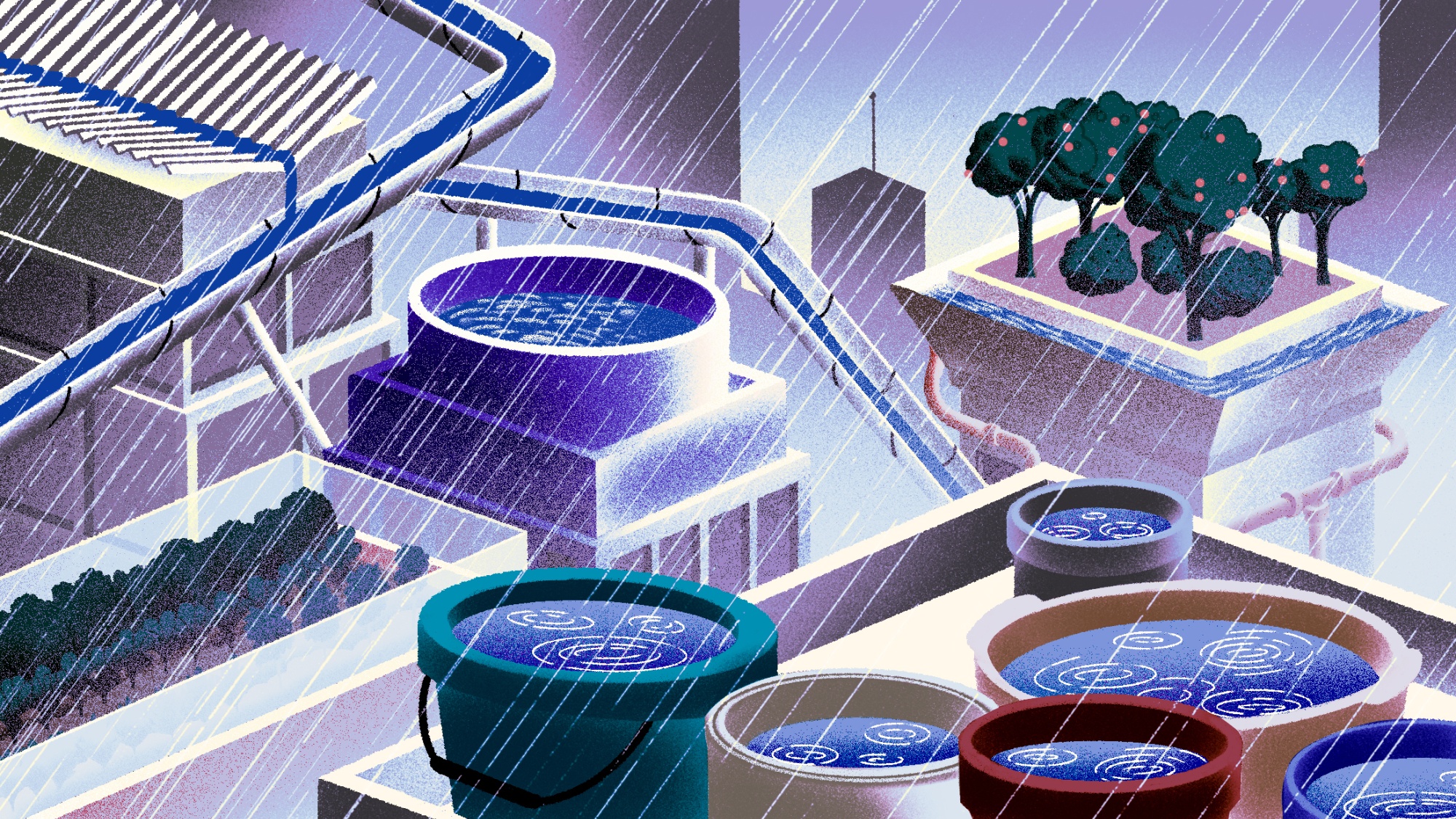
It collects the rainwater where it falls like in ponds, lakes, and rivers. In this method, the roof slopes are built up in such a way that they can collect the water and collect in the tanks under the ground. These tanks are set up to supply the house or building that is required water.
The rainwater can be used for cleaning the house, watering plants, washing, and many other activities. In addition, one can use water this water for other activities and can save the freshwater for drinking and other edible activities. The roof topwater is stored in the artificial rechargeable systems.
This method can be a little expensive, but there is nothing more valuable than saving water for the future. Furthermore, if the rooftop method is adopted properly, it also helps increase groundwater levels as the main objective of collecting with this method is to save water for future use and improve the quality of groundwater.
Winding-up
Nowadays, humans have a wrong attitude towards resources and are continuously wasting resources. However, one must remember that if you waste resources like that only, they won’t come back as natural resources are not built in any workshop. So it is very important to use natural resources wisely and do not waste water. Water as a natural resource is the only reason you can be alive in the future.…